Get Wood Siding Installation
Local contractors provide wood siding installation services to enhance curb appeal, protect against weather damage, and handle projects like new homes, renovations, or repairs.
Wood siding installation is a practical choice for property owners looking to enhance the appearance and durability of their buildings. Whether updating an existing exterior or planning a new project, understanding the options available in the local area can help ensure the right fit for your property’s needs. Exploring local contractors who specialize in wood siding can provide valuable insights into the best materials and techniques suited for your climate and architectural style.
For those considering a siding upgrade, comparing services offered by nearby professionals can support informed decision-making. Property owners often seek local experts to ensure quality craftsmanship and reliable results. Continuing to explore your options can help you find experienced service providers capable of delivering results that meet your project goals.
- Wood siding replacement - needed when existing siding has suffered extensive damage or decay.
- New wood siding installation - suitable for homeowners updating the exterior for improved appearance or durability.
- Wood siding repair - required when sections of siding are warped, cracked, or loose.
- Custom wood siding design - ideal for clients seeking a unique or architectural look for their home’s exterior.
- Wood siding maintenance - recommended to preserve the integrity and appearance of existing siding over time.
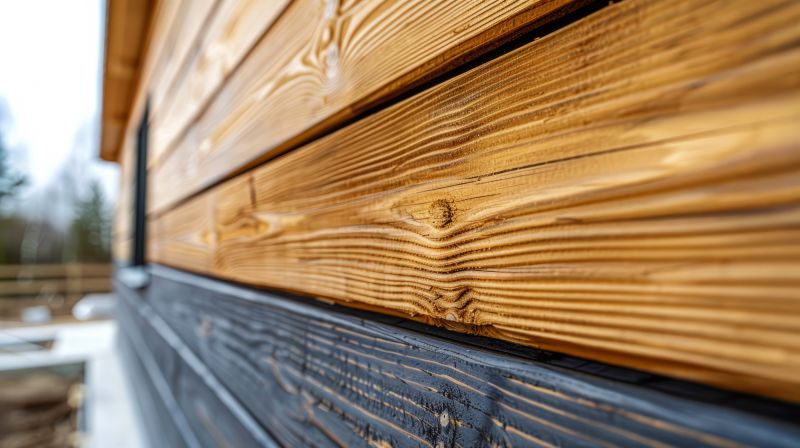
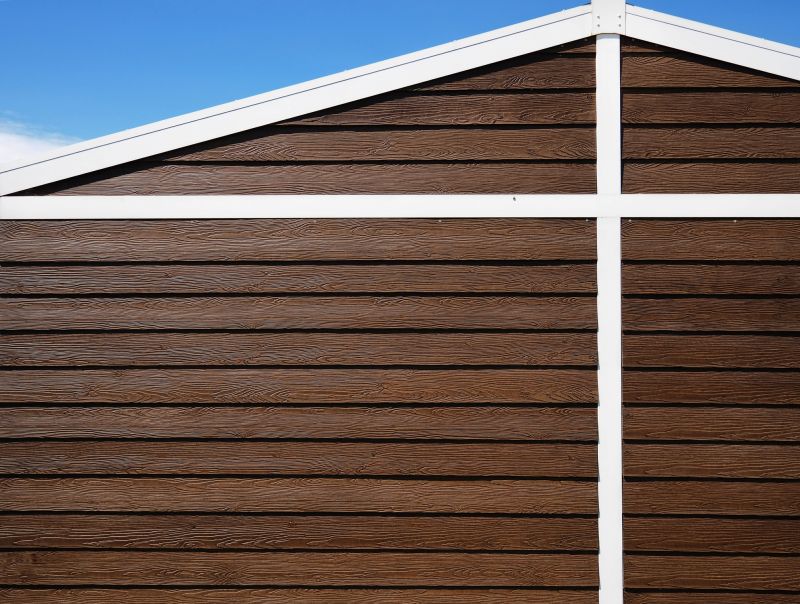
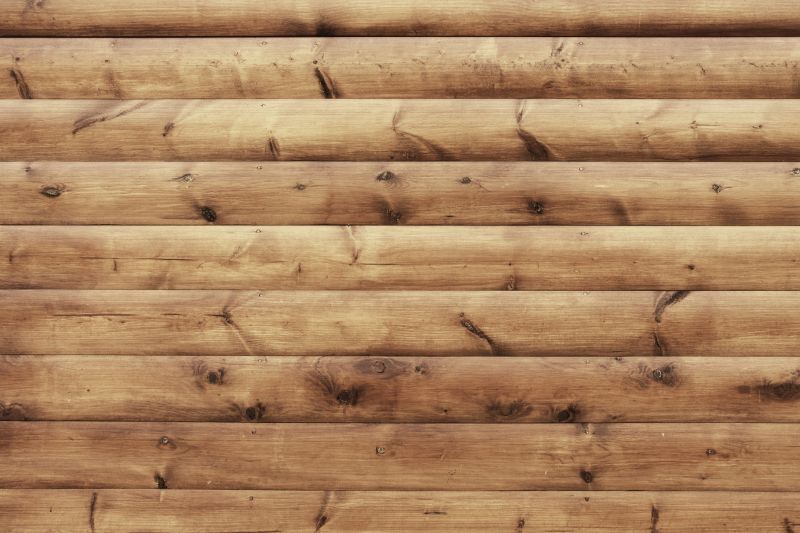
Wood siding installation involves attaching high-quality wooden panels to the exterior walls of a building, providing both aesthetic appeal and functional protection. This service typically includes preparing the surface, selecting appropriate types of wood, and properly securing the siding to ensure durability and a clean appearance. Skilled contractors assess the condition of the existing structure, remove old or damaged siding if necessary, and install new wood panels that enhance the property's overall look while offering long-lasting performance.
This service helps address common issues such as rotting, warping, or damage caused by moisture and pests. Over time, wood siding can deteriorate, leading to leaks, drafts, or increased energy costs. Installing new wood siding can restore the exterior’s integrity, improve insulation, and prevent further damage. Additionally, it can boost curb appeal by offering a classic, warm appearance that complements various architectural styles. For homeowners noticing signs of wear or seeking a fresh look, wood siding installation provides a practical solution.
Properties that often utilize wood siding installation include single-family homes, historic houses, cottages, and other residential buildings aiming for a timeless or natural aesthetic. It is also popular in custom or high-end homes where exterior appearance is a priority. Commercial properties, such as small retail shops or office buildings, may also opt for wood siding to create a welcoming, distinctive façade. Regardless of property type, local contractors can help determine if wood siding is suitable and guide homeowners through the installation process.
Homeowners considering this service typically do so when their current siding is damaged, outdated, or no longer provides adequate protection. It may also be chosen to improve the property's appearance or increase its value. Proper installation by experienced service providers ensures the siding performs well over time, resisting weather elements and maintaining its visual appeal. Contacting local contractors can help evaluate the property's needs and find the right wood siding solution to meet aesthetic and functional goals.
The overview below groups typical Wood Siding Installation projects into broad ranges so you can see how smaller, mid-sized, and larger jobs often compare in your area.
In many markets, a large share of routine jobs stays in the lower and middle ranges, while only a smaller percentage of projects moves into the highest bands when the work is more complex or site conditions are harder than average.
Smaller Repairs - Minor siding repairs, such as replacing a few damaged boards or patching small sections, typically cost between $250 and $600. Many routine repairs fall within this range, though prices can vary based on the extent of damage and material costs.
Partial Siding Replacement - Replacing sections of wood siding, such as a side wall or multiple panels, generally ranges from $1,000 to $3,000. Larger, more complex partial replacements can push costs higher, but most projects in this category stay within this middle range.
Full Siding Installation - Installing new wood siding across an entire home often costs between $5,000 and $15,000, depending on the size of the property and siding style. Many full installations fall into the lower to mid part of this range, with larger homes reaching the higher end.
Complete Home Siding Replacement - For comprehensive siding overhauls, including removal of existing siding and full replacement, costs typically range from $10,000 to $30,000 or more. These larger projects are less common and tend to reach into the higher tiers based on property size and material choices.
Actual totals will depend on details like access to the work area, the scope of the project, and the materials selected, so use these as general starting points rather than exact figures.
Exterior Cladding Installation - Local contractors experienced in wood siding often handle other types of exterior cladding, requiring skills in surface preparation and material handling.
Deck and Porch Building - Building decks and porches involves similar carpentry skills, planning, and use of power tools as siding installation projects.
Interior Wall Paneling - Installing interior wall panels shares techniques with wood siding, including surface preparation and precise fitting.
Roofing and Soffit Installation - Roofing projects and soffit installations involve working with wood and other materials, requiring similar planning and tool use.
Trim and Molding Fitting - Installing trim and moldings involves detailed carpentry work comparable to siding installation in terms of cutting and fitting.
Fence Construction - Building fences involves framing and material handling skills akin to those used in wood siding projects, with attention to alignment and finish.
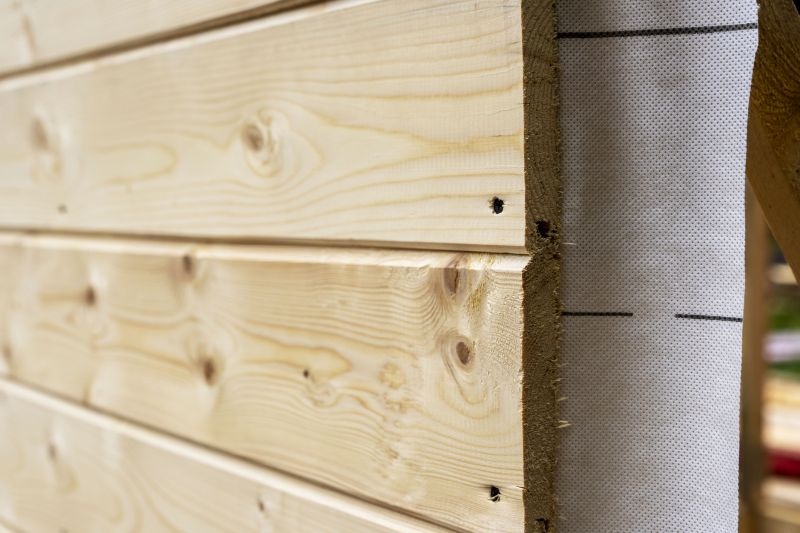
When evaluating potential service providers for wood siding installation, it’s important to consider their experience with similar projects. Homeowners should seek out local contractors who have a proven track record of successfully completing wood siding work comparable to what is needed. Asking for examples of past projects or references that demonstrate expertise in handling different types of wood siding can provide valuable insight into their familiarity with the specific challenges and techniques involved. This focus on relevant experience helps ensure that the chosen professionals are well-equipped to deliver quality results aligned with the homeowner’s expectations.
Clear, written expectations are a crucial part of selecting the right contractor. Homeowners should aim to establish detailed project descriptions and scope of work before any work begins. This includes clarifying the materials to be used, the extent of the installation, and the overall process. Having these expectations documented can help prevent misunderstandings and serve as a reference point throughout the project. Reputable service providers will typically be willing to discuss and confirm these details in writing, fostering transparency and ensuring both parties are aligned on the project’s goals.
Good communication and reputable references are key indicators of a trustworthy local contractor. Homeowners should seek out providers who are responsive and willing to answer questions thoroughly. Additionally, requesting references from previous clients or viewing portfolios of completed work can help verify a contractor’s reliability and quality of service. Reliable communication ensures that any concerns or changes can be addressed promptly, while positive references provide confidence that the contractor has a history of satisfied clients. Overall, these qualities contribute to a smoother project experience and a better outcome for the homeowner.
Property owners use Wood Siding Installation services for practical projects around their homes and businesses. This guide focuses on everyday jobs and straightforward project options.
Wood siding installation is a common project for property owners looking to enhance their home's appearance and protect it from weather elements. Whether a home has experienced damage from storms, has aging siding that needs replacement, or is undergoing a renovation, local contractors can provide the expertise needed to complete the work efficiently. Many property owners seek professional installation to ensure the siding is properly fitted and durable, helping to maintain the property's value and curb appeal.
In addition to new installations, property owners may look for local service providers to repair or replace existing wood siding that has become warped, cracked, or decayed over time. Weather exposure and general wear can lead to the need for siding updates, making it important to find experienced contractors who can handle the job with quality workmanship. Connecting with local pros ensures that projects are completed with attention to detail, whether for a small repair or a full siding upgrade.
What types of wood siding installation services are available? Local contractors offer various wood siding options, including traditional lap siding, shingle, board-and-batten, and vertical siding, to suit different styles and preferences.
How do I know if my home is suitable for wood siding installation? Service providers can assess the condition of your existing exterior and determine if wood siding is a practical and compatible choice for your home.
What preparations are needed before installing wood siding? Contractors typically recommend clearing the area, ensuring proper weather conditions, and inspecting the existing structure to facilitate a smooth installation process.
Are there different wood types used for siding installation? Yes, common options include cedar, redwood, pine, and other durable woods, each offering different looks and levels of resistance to weathering.
What maintenance is required after wood siding installation? Local service providers can advise on staining, sealing, and regular inspections to preserve the appearance and integrity of the wood siding over time.
Enhance Curb Appeal - Property owners can improve the appearance of their homes by installing new wood siding, giving their property a fresh and updated look.
Increase Home Value - Upgrading wood siding can boost the overall value of a property, making it more attractive to potential buyers.
Repair or Replace Damaged Siding - Homeowners with aging or damaged wood siding can seek local contractors to restore or replace it for better protection and aesthetics.
Add Insulation Benefits - Installing wood siding can also contribute to better insulation, helping to maintain indoor comfort throughout the year.
If you are thinking about Wood Siding Installation for a property, this guide is meant to help you understand the work, the typical project types, and how different options might fit your plans.
When you are ready, you can use the quote form on this page to share a few details about your project. From there, local pros can review the basics and respond with options that match what you have in mind.